history
The History of the Louis Vuitton Neverfull: Design and Origins
By The Luxury Verdict Editorial Team · November 1, 2026

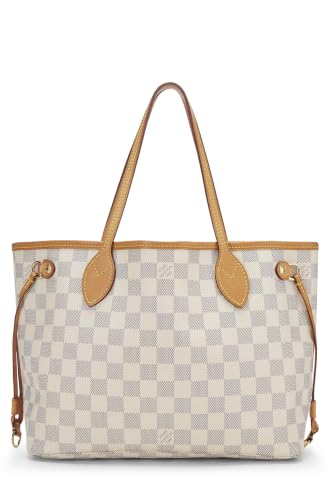
The Louis Vuitton Neverfull arrived in 2007 as a direct response to a seasonal need: a spacious, stylish tote that could double as a beach bag while still feeling at home on the city street. From its inception, the bag was built around a set of functional ideas, an open-top silhouette, slim shoulder straps, side-lacing that lets the carrier cinch the volume, and a fully reversible body that reveals a contrasting interior. By the end of this article you will understand how those design choices echo Louis Vuitton’s travel-trunk heritage, why the bag earned its “Neverfull” moniker, how it fits into the house’s lineage of iconic bags, and how its materials, interiors and accessories have evolved since launch.
Key takeaways
- The Neverfull launched in 2007 as a beach-bag-inspired everyday tote, designed with an open top, side laces and a reversible body1.
- It is offered in three sizes, PM, MM and GM, with the MM size becoming the most popular for everyday use1.
- The bag’s interior originally came in striped beige or cherry, a nod to the lining of Louis Vuitton’s original trunks, and later expanded to colors such as Rose Ballerine, Fuschia and Mimosa1.
- A detachable pouch was introduced in 2013 (some sources cite 2014) and has remained a standard accessory for the line1.
- Each Neverfull takes up to 45 hours to make in durable coated canvas, underscoring its status as the brand’s most successful handbag launch since the Keepall and Speedy3.
- Some observers have speculated that the Neverfull was created to rival Goyard’s Saint-Louis tote1.
Origin: a beach-bag brief in 2007
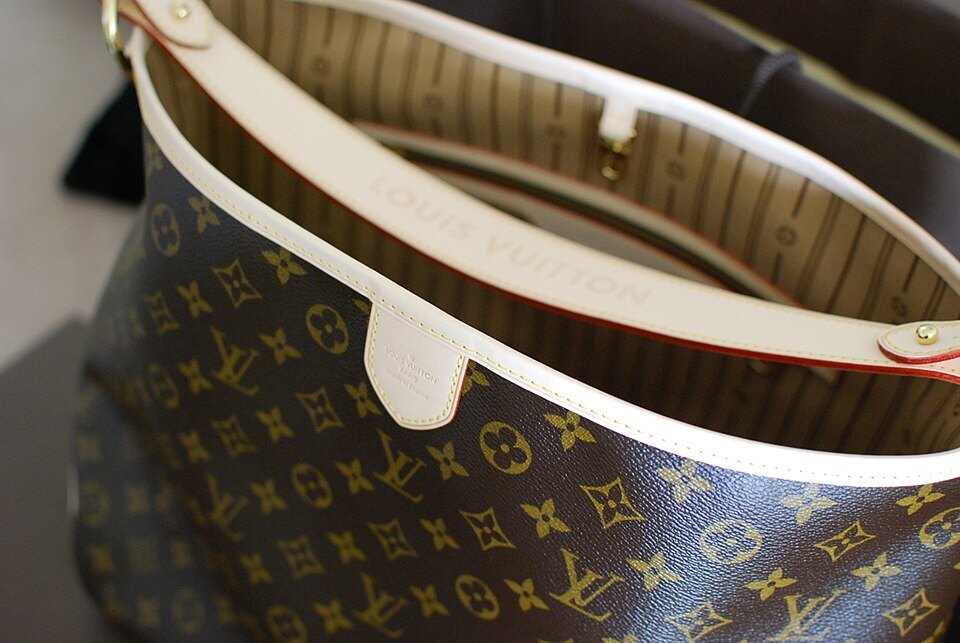
Sotheby’s records the Neverfull’s debut in 2007 as a “spacious, stylish tote that was initially intended as a seasonal beach bag”1. The result was an open-top silhouette that invites easy packing, while the slim, delicate-looking shoulder straps keep the profile sleek. This functional focus aligns with Louis Vuitton’s long-standing emphasis on travel-ready accessories, a philosophy that dates back to the house’s founding as a trunk maker in 18541.


Design language and construction
The Neverfull’s most recognizable features are its side laces and reversible construction. The laces run along each side of the bag and can be tightened to pull the canvas inward, turning a generous tote into a more compact shape, an attribute Sotheby’s describes as “cinched at the sides to pull it into a more compact shape”2. The name reflects the bag’s roomy capacity.
Reversibility is built into the seam construction. According to Rebag, the tote can be flipped inside-out to reveal a contrasting interior, a design decision that adds visual interest and doubles the usable surface4. The interior itself began with two striped options, beige and cerise (cherry), mirroring the lining of the house’s original travel trunks1. The bag’s exterior is made from durable coated canvas; each Neverfull takes up to 45 hours to make. This labor-intensive process reflects Louis Vuitton’s commitment to quality that was also evident in earlier icons such as the Keepall and Speedy.
Heritage: linking the Neverfull to the trunk era, the Noe and the Speedy
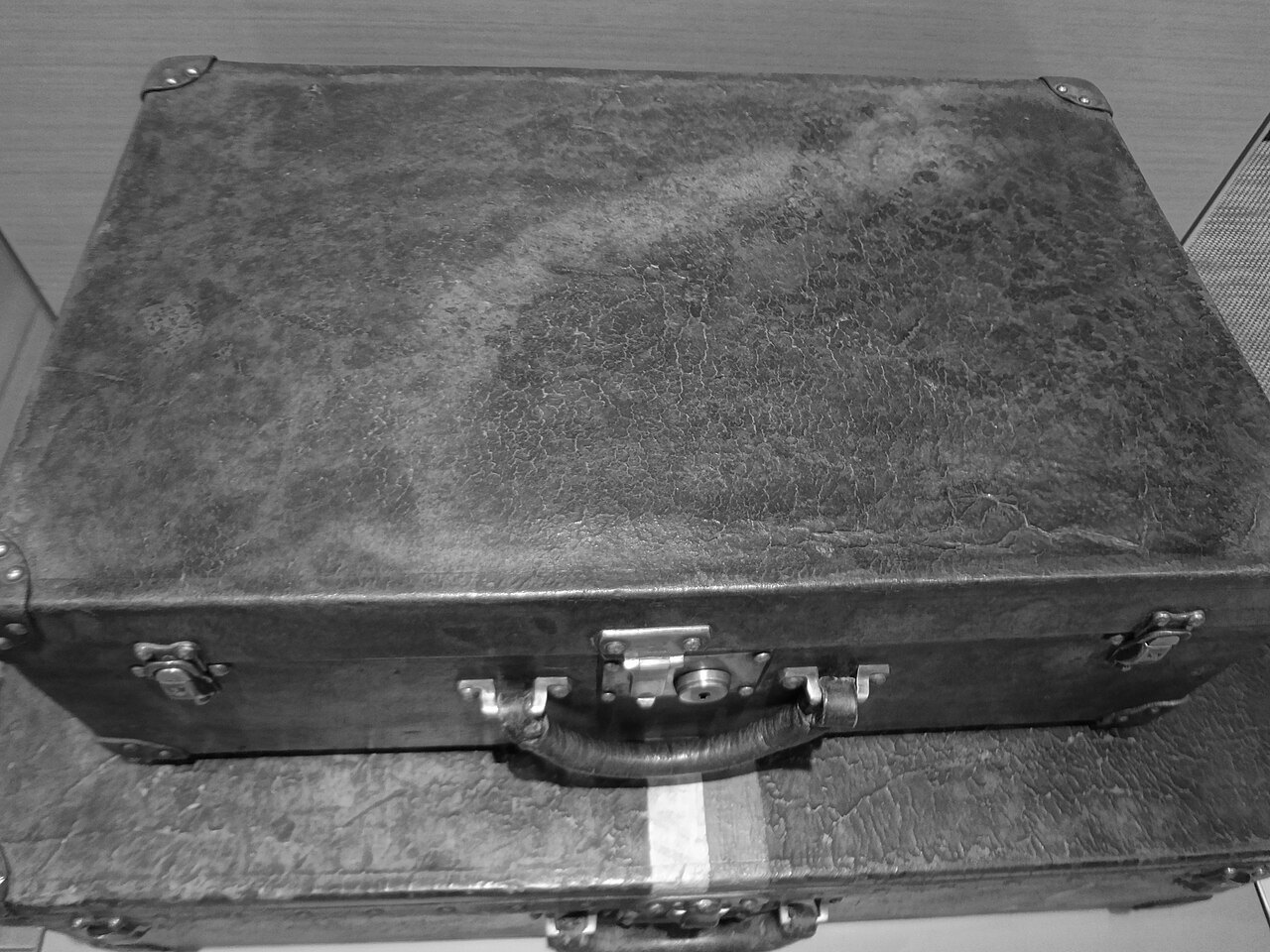
Louis Vuitton’s identity is inseparable from its 19th-century origins as a maker of travel trunks, a heritage that introduced the iconic Damier check in 1888 and the Monogram canvas in 18961. The Neverfull’s interior stripe pattern directly references the lining of those early trunks, creating a visual lineage that ties a modern tote to a historic suitcase.
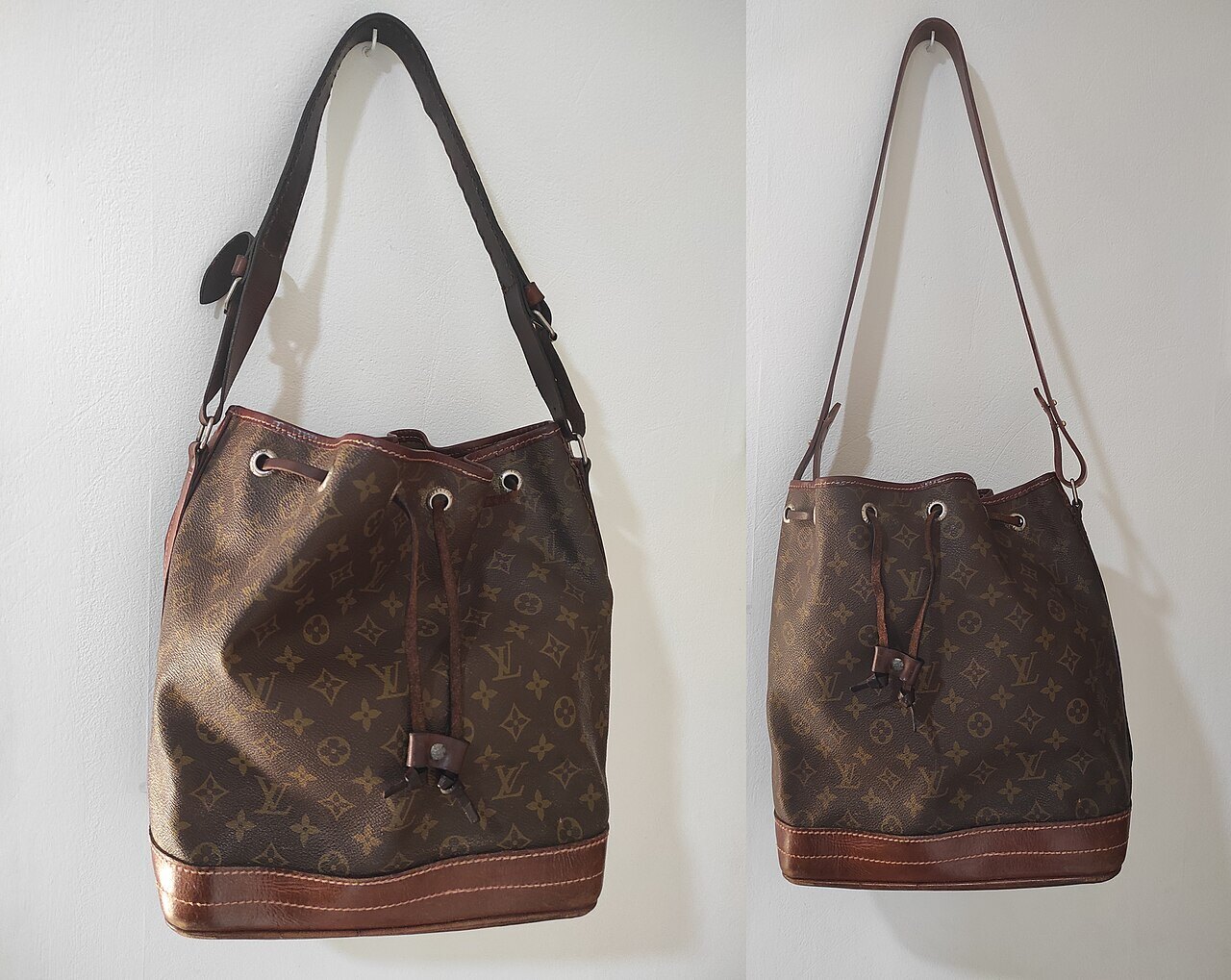
The house’s earlier bag successes, Keepall, Noe and Speedy, were all launched in the 1930s3. The Noe, introduced in 1932, is described by Sotheby’s as the first Louis Vuitton bucket bag, designed to carry champagne bottles. The Speedy, also introduced in the 1930s, is a popular icon, and the 21st-century Neverfull inherits a similar ethos of movement, adaptable capacity, and a timeless silhouette. Sotheby’s even calls the Neverfull “the brand’s most successful handbag launch since the Keepall and the Speedy”3, underscoring its place within this lineage.


Evolution of materials, interiors and accessories
When the Neverfull first appeared, it was offered exclusively in the classic brown Monogram canvas4. Subsequent releases introduced the Damier Ebene canvas, followed by Damier Azur, and later Epi leather. An Epi MM version arrived in 20134, expanding the bag’s material palette beyond coated canvas.
Interior color options also broadened over time. Rebag notes that early models were limited to beige and cerise, while later seasons added shades such as Pivoine, Abricot, Piment and Mimosa4. Sotheby’s records the addition of Rose Ballerine, Fuschia and Mimosa among the later interior selections1. This expanding palette allowed owners to personalize the bag while still honoring the original trunk-inspired stripe motif.
A detachable accessories pouch became a standard component of the line in 2013, though one Sotheby’s article cites 2014 as the year the removable pochette was added13.
Answering the most common questions
Who designed the Neverfull and when was it launched?
No source names a specific designer for the Neverfull. The bag was launched in 2007 as a beach-bag-inspired everyday tote1. While Marc Jacobs became creative director in 1997 and ushered in artist collaborations, no source attributes the Neverfull’s design to him or any other individual3.
Why is it called the Neverfull?
The name reflects the bag’s roomy capacity.
Was the Neverfull really made to rival the Goyard Saint-Louis?
Some observers have speculated that Louis Vuitton created the Neverfull to compete with Goyard’s Saint-Louis tote; this remains unverified1.
How is the Neverfull related to the Noe and the Speedy?
All three bags, Noe (1932), Speedy (1930s) and Neverfull (2007), share a travel-centric DNA. The Noe is described by Sotheby’s as the first Louis Vuitton bucket bag, designed to carry champagne bottles, while the Speedy is a popular icon. The Neverfull continues this tradition by offering a spacious, adaptable tote that can transition from beach to boardroom, earning the label of the most successful launch since those earlier icons3.
What are the side laces for, and why is the tote reversible?
Side laces function as a cinching mechanism, letting the wearer pull the canvas inward to reduce the bag’s silhouette2. Reversibility is achieved through a seam construction that allows the tote to be turned inside out, exposing a contrasting interior and effectively giving the bag two visual identities4.
How did the Neverfull change after 2007?
After its debut, the Neverfull expanded its material range from the original brown Monogram canvas to Damier Ebene, Damier Azur and Epi leather (including an Epi MM in 2013)4. Interior colors grew from the initial beige and cherry stripes to include Rose Ballerine, Fuschia, Mimosa, Pivoine, Abricot and Piment41. A detachable pouch was added in 2013 (or 2014, per a different source)13, and the bag’s size range, PM, MM and GM, has remained consistent, with the MM size becoming the most popular for everyday use1.
Closing thoughts
The Neverfull stands as a modern embodiment of Louis Vuitton’s travel heritage, marrying the practicality of a beach tote with the timeless elegance of the house’s classic canvases. Its side laces, reversible interior and modular pouch all serve a single purpose: to keep the bag adaptable, never truly “full,” and forever ready for the next journey. While the exact designer remains unnamed and the rumored rivalry with Goyard stays unconfirmed, the bag’s sustained popularity, bolstered by collaborations with artists such as Takashi Murakami, Yayoi Kusama and Jeff Koons, confirms its place alongside the Keepall, Noe and Speedy as a cornerstone of Louis Vuitton’s design legacy1.