history
The History of the Lady Dior: From Chouchou to Princess Diana
By The Luxury Verdict Editorial Team · November 1, 2026

The Lady Dior bag is more than a luxury accessory; it is a chronicle of fashion history that began as a modest “Chouchou” in the mid-1990s and became an icon after Princess Diana’s public embrace. By the end of this article you will understand who designed the original bag, why it was renamed, the story behind its signature cannage quilting, the meaning of the D-I-O-R charms, and how Maria Grazia Chiuri has refreshed the model for a new generation while preserving its core DNA.
Key takeaways
- Gianfranco Ferre, then Dior’s creative director, created the bag originally called Chouchou, a name meaning “favourite”2.
- The bag was gifted to Princess Diana in September 1995 by France’s First Lady Bernadette Chirac at the Grand Palais, sparking the association that led to its renaming as Lady Dior in 199625.
- Its iconic cannage quilting is tied to chairs from Dior’s early couture era, including Napoleon III-style chairs from the 1947 debut noted by Grazia and other cane or rattan chairs referenced by Bustle and W Magazine2.
- The handle is adorned with four letters spelling D-I-O-R plus a Dior logo charm, echoing Christian Dior’s historic fascination with amulets and talismans13.
- Under creative director Maria Grazia Chiuri (appointed 2016), the bag has been re-interpreted through the Dior Lady Art project, the reversible Lady D-Lite (2019), and the 2023 “95.22” edition, demonstrating its adaptability while retaining the original silhouette43.
The Chouchou: Gianfranco Ferre’s original design
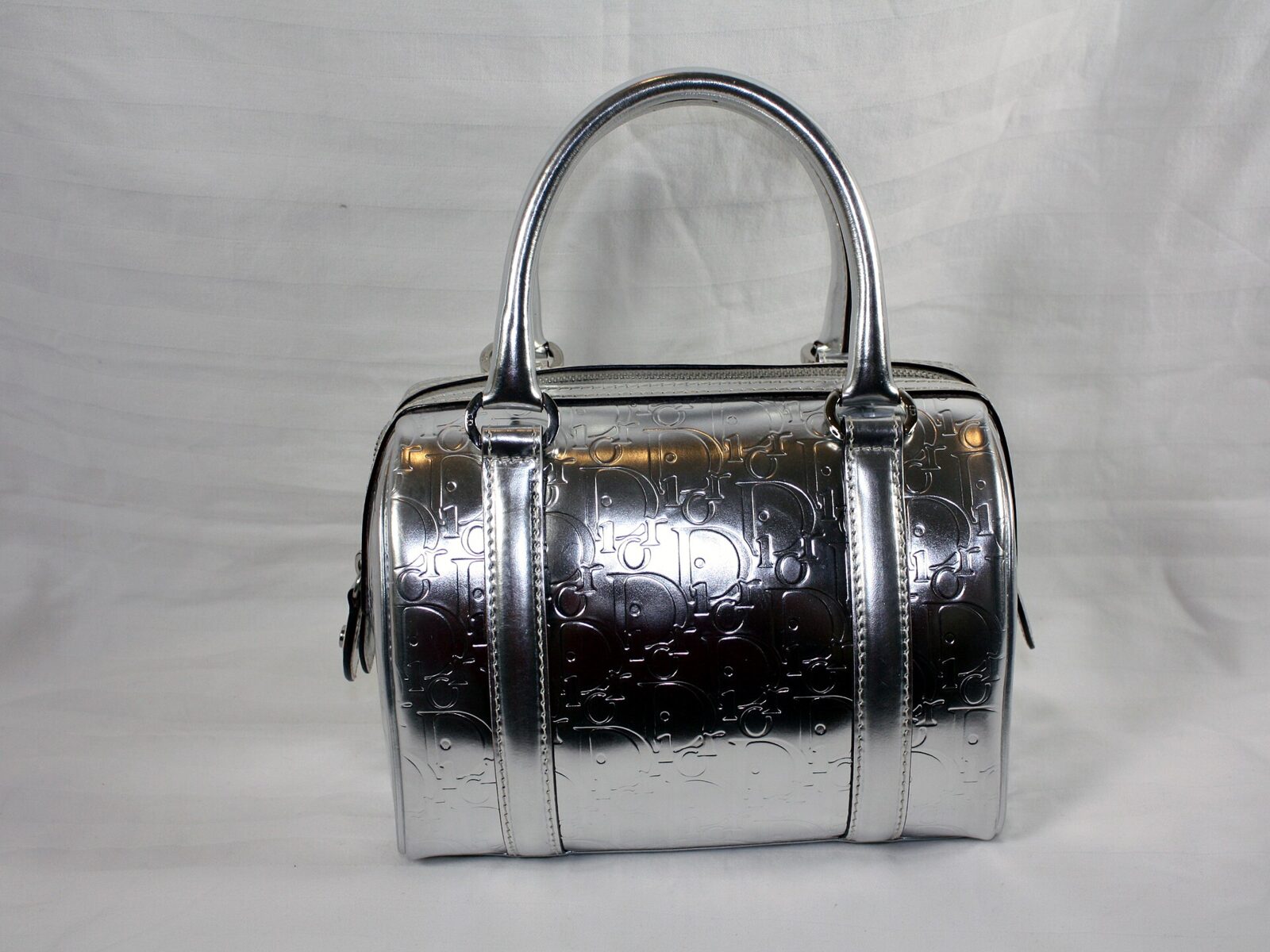
When Gianfranco Ferre took the helm as Dior’s creative director, he introduced a structured rectangular handbag that would later become a cultural touchstone. Wikipedia records the design year as 19941, while W Magazine and Rebag place the debut in 199535. Regardless of the exact year, the bag was initially marketed under the French nickname Chouchou, meaning “favourite,” a label used before the model reached retail shelves and seen only by a select few women2. The early Chouchou featured a rigid rectangular silhouette constructed from 144 pieces and a top handle1.


Princess Diana’s gift and the birth of the Lady Dior name
The turning point for the bag arrived in September 1995, when Bernadette Chirac, France’s First Lady, presented Princess Diana with a black Chouchou at the Cezanne exhibition in the Grand Palais, Paris25. Rebag notes that the gifted piece had not yet entered retail, underscoring its exclusivity at the time5. Diana’s affection for the bag was immediate; Grazia reports that she allegedly asked Dior to produce the model in every colour imaginable2. Photographs of Diana carrying the bag at the 1996 Met Gala further cemented its public profile2. In 1996, Dior officially renamed the accessory Lady Dior, a decision documented by Rebag5. The new name honored the princess’s elegant patronage while aligning the bag with the house’s heritage.
Signature details: cannage quilting, construction, and charms
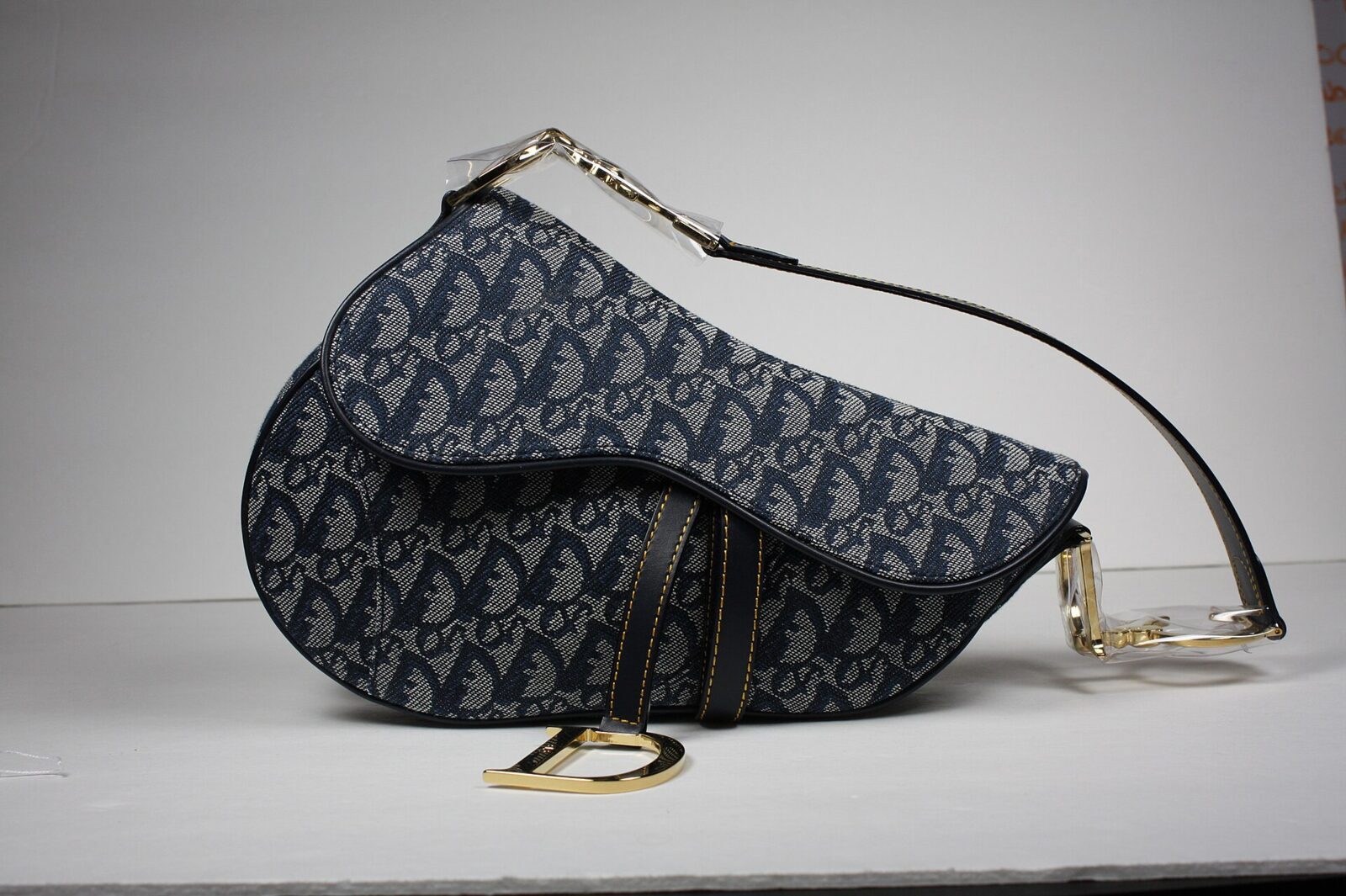
The Lady Dior’s most recognizable visual cue is its cannage quilting, a pattern of woven cane that is tied to chairs from Dior’s early couture era, including Napoleon III-style chairs from the 1947 debut noted by Grazia and other cane or rattan chairs referenced by Bustle and W Magazine2. Grazia links the motif to Napoleon III-style chairs, while Wikipedia adds that a Louis XV-style armchair in Dior’s Avenue Montaigne mansion also inspired the design. W Magazine broadens the reference to rattan or cane chairs from early couture presentations3. The top handle is adorned with four letters spelling D-I-O-R and a Dior logo charm, a detail that W Magazine interprets as a nod to Christian Dior’s fascination with amulets and talismans3.
Materially, the Lady Dior has been produced in an extensive palette: leather, velvet, microfiber, satin, denim, python, crocodile, tweed, and jacquard are all listed by Wikipedia1, while Bustle highlights lambskin finishes such as matte, patent, and ultra-matte4. The model is offered in three standard sizes, mini, small, and medium, with the mini often cited as the most popular4.


Evolution under Maria Grazia Chiuri
Maria Grazia Chiuri assumed the role of Dior’s creative director in 2016, bringing a contemporary, artistic lens to the house4. She launched the Dior Lady Art project, an annual collaboration that invites artists to reinterpret the Lady Dior silhouette, thereby keeping the bag culturally relevant while honoring its heritage4.
In 2019, the Lady D-Lite, which added a reversible, removable strap, was introduced1. The 2023 “95.22” edition, described by W Magazine, revisits the original 1995 aesthetic but offers the bag in three sizes with luxurious ruthenium or pale-gold hardware3. Looking ahead, a 2025 reimagined version was created in partnership with creative director Jonathan Anderson and textile artist Sheila Hicks, demonstrating the model’s capacity for continual reinvention1.
These updates illustrate Chiuri’s strategy: preserve the bag’s structural integrity and iconic details while experimenting with materials, hardware, and artistic collaborations. The result is a timeless piece that feels both historic and freshly relevant.
Frequently asked questions
Why is it called the Lady Dior?
The name was adopted officially in 1996 after Princess Diana’s high-profile use of the bag, turning the original “Chouchou” into a tribute to the princess and reinforcing the house’s connection to royalty5.
What was the Chouchou, and who designed it?
”Chouchou” was the bag’s pre-release name, meaning “favourite.” It was designed by Gianfranco Ferre while he served as Dior’s creative director. Sources differ on the exact debut year, Wikipedia cites 1994, while W Magazine and Rebag note 199513.
When did Princess Diana receive the bag, and who gave it to her?
In September 1995, Bernadette Chirac presented a black Chouchou to Princess Diana at the Cezanne exhibition in the Grand Palais, Paris2.
Where does the cannage quilting come from?
The quilting is tied to chairs from Dior’s early couture era, including Napoleon III-style chairs from the 1947 debut noted by Grazia and other cane or rattan chairs referenced by Bustle and W Magazine21.
What do the D-I-O-R charms mean?
The four letters spelling D-I-O-R plus the Dior logo charm hang from the handle, reflecting Christian Dior’s personal interest in amulets and talismans, a symbolic gesture that turns the hardware into a miniature talisman13.
How has the Lady Dior changed under Maria Grazia Chiuri?
Since 2016, Chiuri has expanded the bag’s narrative through the Dior Lady Art collaborations, introduced the Lady D-Lite with a reversible strap in 2019, and released the 2023 “95.22” edition featuring new hardware finishes. A 2025 reinterpretation with Jonathan Anderson and Sheila Hicks further showcases the model’s evolution while retaining its original silhouette431.
Closing thoughts
The Lady Dior’s journey, from Gianfranco Ferre’s discreet Chouchou to a globally recognized emblem of elegance, demonstrates how a single design can accrue cultural weight through royal endorsement, thoughtful craftsmanship, and continual artistic renewal. Its cannage quilting, 144-piece construction, and talismanic charms anchor the bag in Dior’s heritage, while Maria Grazia Chiuri’s modern reinterpretations ensure that the silhouette remains a living canvas for contemporary expression. The result is a timeless accessory that tells a story as rich as the materials from which it is made.


